
Page Not Found
Sorry that page does not exist.
Here are some tools to help you find what you're looking for:
List of Brands
View All Brands »Need a recommendation?
Check out these great products:
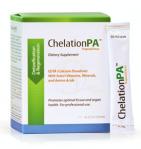
ChelationPA - 15 Stick Packs By Scientific Bio-Logics
A natural proprietary blend of select nutritional supplements that includes EDTA to help gently detoxify the body of heavy metals and other toxins while replenishing important vitamins, minerals, amino acids, and antioxidants.
Price: $32.50
View Details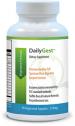
DailyGest (aka Total-Gest) - 90 CP By Scientific Bio-Logics
Broad spectrum enzyme supplement that encourages proper digestion of all the major dietary components.
Price: $36.76
View Details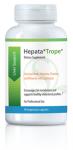
Hepata*Trope - 90 CP By Scientific Bio-Logics
Encourages fat metabolism and supports healthy cholesterol profiles.
This product is temporarily unavailable.
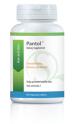
Pantol - 100 TB By Scientific Bio-Logics
Formulated to help improve problems regarding hair loss, brittle hair, splitting nails, and dry skin.
Price: $28.20
View Details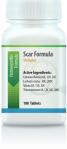
Scar Formula - 100 Tablets By Scientific Bio-Logics
A multi-formula remedy that helps minimize the appearance of abrasions and scarring.
Price: $19.50
View Details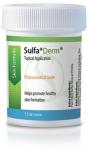
Sulfa*Derm - 1.5 OZ By Scientific Bio-Logics
Sulfa*Derm® has proven to be effective in the treatment of many challenging skin conditions including Psoriasis,Eczema, Dermatitis and Acne Vulgaris. Bacterial, fungal and parasitic skin disruptions may also be resolved with Sulfa*Derm® within 1 to 2 weeks when applied 3 to 4 times per day. Sulfa*Derm® is effective even against the most stubborn Staphylococcus aureus bacterial overgrowth.
This product is temporarily unavailable.
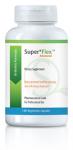
Super*Flex Advanced - 180 CP By Scientific Bio-Logics
Now with Curcumin! Alleviates pain associated with arthritis by inhibiting enzymes that degrade cartilage tissue.
This product is temporarily unavailable.
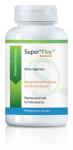
Super*Flex Advanced - 90 CP By Scientific Bio-Logics
Now with Curcumin! Alleviates pain associated with arthritis by inhibiting enzymes that degrade cartilage tissue.
This product is temporarily unavailable.
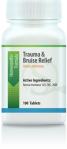
Trauma & Bruise Relief - 100 Tablets By Scientific Bio-Logics
Minimizes the effects of shock, trauma, and injury to help the body recover quickly.
Price: $19.50
View Details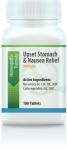
Upset Stomach & Nausea Relief - 100 Tablets By Scientific Bio-Logics
Encourages post-surgical detoxification and alleviates common side-effects caused by anesthesia.
Price: $19.50
View Details