previous

Liver - Fatty

Fatty liver - Or is it Belly Fat

Belly Fat and Fatty Liver can look exactly the same from the outside of the body. In a thin person you may notice the belly slightly larger on the right side but not in all cases. So if you are looking to correct Belly fat or a Fatty Liver you would still start out with the same approach by defattening the Liver. After the liver has been defatted the next steps will include working on hormones and cortisol production to reduce further belly and hip fat. Starting with the Lipotrope will be addressing the first stages of hormone regulation. Fatty liver, also known as steatosis, is a common clinical finding consisting of accumulated triglycerides and other fats in liver cells. In severe fatty liver, fat comprises as much as 40% of the liver’s weight (as opposed to 5% in a normal liver), and the weight of the liver may increase from 3.31 lb (1.5 kg) to as much as 11 lb (4.9 kg). Minimal fatty changes are temporary and asymptomatic; severe or persistent changes may cause liver dysfunction. Fatty liver is usually reversible by simply eliminating the cause; however, this disorder may result in recurrent infection or sudden death from fat emboli in the lungs.

Causes

Chronic alcoholism is the most common cause of fatty liver in the United States and in Europe, with the severity of hepatic disease directly related to the amount of alcohol consumed. (Fatty liver can occur in people who consume as little as 10 oz of alcohol per week.) Other causes include malnutrition (especially protein deficiency), obesity, diabetes mellitus, jejunoileal bypass surgery, Cushing’s syndrome, Reye’s syndrome, pregnancy, large doses of hepatotoxins such as I.V. tetracycline, carbon tetrachloride intoxication, prolonged parenteral nutrition, and DDT poisoning. Whatever the cause, fatty infiltration of the liver probably results from mobilization of fatty acids from adipose tissues or altered fat metabolism.

Belly Fat is not only caused by Fatty Liver but also high stress levels and hormone imbalances. Which affects adrenals function, energy levels and mood.

Signs and symptoms

Clinical features of fatty liver vary with the degree of lipid infiltration, and many patients are asymptomatic. The most typical sign is a large, tender liver (hepatomegaly). Common signs and symptoms include right upper quadrant pain (with massive or rapid infiltration), ascites, edema, jaundice, and fever (all with hepatic necrosis or biliary stasis). (See Massive ascites in fatty liver.) Nausea, vomiting, and anorexia are less common. Splenomegaly usually accompanies cirrhosis. Rarer changes are spider angiomas, varices, transient gynecomastia, and menstrual disorders.

Diagnosis

Typical clinical features — especially in patients with chronic alcoholism, malnutrition, poorly controlled diabetes mellitus or obesity — suggest fatty liver.

CONFIRMING DIAGNOSIS

A liver biopsy confirms excessive fat in the liver. These liver function tests support this diagnosis:  It is best to avoid the biopsy and use blood test or diet history of patient.

Albumin: somewhat low
Globulin: usually elevated
Cholesterol: usually elevated
Total bilirubin: elevated
Alkaline phosphatase: elevated
Transaminase: usually low (less than 300 U)
Prothrombin time: possibly prolonged.

Other findings may include anemia, leukocytosis, elevated white blood cell count, albuminuria, hyperglycemia or hypoglycemia, and iron, folic acid, and vitamin B12 deficiencies.

Treatment

Decreasing carbohydrate intake will help to correct the disease. In alcoholic fatty liver, abstinence from alcohol and a proper diet can begin to correct liver changes within 4 to 8 weeks. Properly designed Lipotrope supplements help to correct Fatty Liver with an enzyme concentrated with Lipase.

Recommendations for correcting this condition.

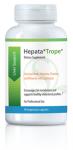
Hepata*Trope: 2 capsules 3 times a day between meals.
Pan 5X or 10X: 2 or 3 capsules 3 times a day betwen meals.

It most likely will take 3 to 5 bottles of each to correct this problem.

During this treatment it is possible to loose 2 pounds a week.


products/sci/hepata_trope_75.jpg
$18.95

Hepata*Trope Hepata*Trope

Hepata*Trope by Scientific Bio-Logics has been used successfully in the treatment of lipid levels balancing. To assist the liver in lipid levels balancing, case studies have shown the ingredients in Hepata*Trope along with Phytosterol Complex, the lipid levels have dropped as much as 50 points a month.

The ingredients in Hepatatrope can be researched at ww.pubMed.gov.

As new technology is discovered, products sold on Healing*Edge Science may have ingredient or raw material source changes without notice. This is necessary to maintain the highest quality products available. If there are any major changes that would alter the function of the product, or has a known drug or food interaction, they will be posted on the web site.


pan_5x_75.jpg
$22.95    $18.36

Pan 5x - 90 CP by Progressive labs.

Description:

5X U.S.P. Pancreatic Enzyme Concentrate Progressive Labs. Each 450 mg. capsule supplies the following minimum enzyme activity:

Amylase---40,000 USP units
Lipase--------7,500 USP units
Protease--40,000 USP units
Ingredients: raw porcine pancreas concentrate, rice flour, vegetable sterine, magnesium stearate, gelatin.
The raw pancreas concentrate in this product is prepared by a special process which does not exceed physiological temperature (37°C). Guaranteed to be free of chemical pesticides and synthetic hormones.


pan_10x_75.jpg
$29.50    $23.60

Pan 10X 90 capsules - Progressive labs.

Ingredients:
Per capsule:
Contains raw pork Pancreas concentrate with the following minimum enzymatic activities:
Amylase 80,000 USP units
Lipase 15,000 USP units
Protease 80,000 USP units

Suggested use:
One capsule with each meal or as directed by a doctor.