previous

Osteoarthritis Treatment Glucosamine Sulfate vs Hydrochloride


The difference between them and which one should you choose.

There is discussion over which of the two glucosamine salts, hydrochloride or sulfate, is preferred for the treatment of osteoarthritis. The answer is straightforward - both salts, in the pure form, deliver equally effective amounts of the desired glucosamine to joint cartilage. If there is a preference, it should be based on relative purity and economics - not on the specific salt.

Historically, the sulfate was used for the initial European clinical studies because it was made available for that purpose by an Italian pharmaceutical company which had a proprietary position on the sulfate. Thus, it was to their marketing advantage to supply only the sulfate and ignore the hydrochloride.

The original researchers, however, clearly relate all of the observed benefits relative to osteoarthritis to "glucosamine" not to the sulfate. When ingested, glucosamine sulfate is fully ionized in the stomach by the relative strong concentration of hydrochloric acid (pH 1- 3) naturally present. As a result, glucosamine ions and sulfate ions are thoroughly mixed with an overwhelming number of chloride and hydrogen ions from the hydrochloric acid. If you could stop at this point and recover the glucosamine salt, you would get 99+ % glucosamine hydrochloride as the sulfate is essentially lost due to its very low concentration relative to the large amount of hydrochloric acid present.

As reported by Setnikar, 54% of glucosamine that moves into the small intestines (pH 6.8) exists in its unionized, amine form (not a salt at all) while 46% is ionized (the amine group is protenated and positively charged). In the blood at pH 7.4, 75% of the glucosamine is present as the neutral amine while only 25% is ionized. Since ionization or high polarity is usually an obstacle in the crossing of cellular membranes, the ability of glucosamine to exist predominantly in its less polar, unionized form in the small intestines and, even more so, in the blood contributes directly to its bio-availability. The specific salt form is relevant only as a convenient delivery vehicle with the proviso that the salt must readily dissolve (ionize) in stomach acid when ingested - the hydrochloride and the sulfate equally meet this requirement.

The real issue, therefore, become one of purity (and stability). Our highly stable Glucosamine Hydrochloride is domestically manufactured in an FDA approved, GMP plant and is 99+ present pure with less than 0.1% ash on ignition. Glucosamine sulfate, on the other hand, must be prepared with a co-mixture of sodium or potassium chloride in order to prevent the glucosamine sulfate from decomposing and turning brown. For this reason, virtually all of the glucosamine sulfate imported into the US is only 74% pure with the remainder being sodium or potassium chloride (this account for the high percentage of ash found in the sulfate on ignition). In a dietary supplement market that is under constant government and media scrutiny, purity and stability are key elements for success.

There is also the additional question of economics. Because glucosamine sulfate is made from glucosamine hydrochloride, it is significantly more expensive - approximately twice the price of the hydrochloride. The necessary addition of 26% sodium chloride to maintain stability further dilutes the sulfate and significantly adds to the cost of the sulfate on an active glucosamine basis. Conversely, Glucosamine HCI provides a high purity, stable source of glucosamine that is readily absorbed by the body and is economically priced. It is the most cost effective form of glucosamine available.

Many products claim to be doctor #1 recommended. They claim to be double strength. They claim to have more capsules in the bottle. They also claim that their glucosamine/chondroitin supplement is the only one clinically proven to reduce joint pain.

The practitioners of Healing*Edge Science continue to maintain a data base of product information from our clients and their doctors. What we have seen over time are companies changing their formulas after the public takes note of the following information.

FD&C Blue#1, which are carcinogens. It also contains resorcinol, which can cause a blood disorder (methemoglobinemia), convulsions and death. FD&C Red #3, which caused human breast cells to grow, mimics the effect of natural estrogen at the molecular level and damages the genetic material of human breast cells.

More on FD&C Colors

Remember not all substances approved by the regulators are safe.

Examples are:

Pondimin, Redux, Seldane, Posicor, Duracht, Hismanal, Raxar, Rezulin, Propulsid, Lotronex, Raplon, Hormone replacement therapy and Baycol. All are drugs that were approved by the FDA and now have been removed by the FDA within the last few years and there are many more.

There has to be a level of integrity even at the cost of losing sales.

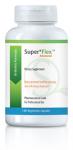
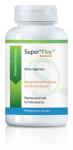
Product - Glucosamine: Super*Flex.

Osteo-Bi-Flex is an effective formula but you may be surprised with the results of Superflex. Being a capsule it is much easier to digest and we use the Glucosamine HCL form which has been proven more effective.

Supple is a product that may work for some people but the following must avoid this supplement. Diabetics, hypoglycemic's, people allergic to the other ingredients including the sweetener stevia. This product will not be anymore effective then any Pharmaceutical grade Glucosamine HCL, Chondroitin Sulfate in capsule form at a substantial savings.

1. "Pharmacokinetics of Glucosamine in the Dog and Man" I. Setniker et al, Rotta Research Laboratorim, Monza (Italy) and Instituto di Ricerche Biomediche "Antoine Marxer" S.p.A., Arzneim. - Forsch./Drug Res. 36(I), Nr. 4 (1986) Rev. 11/95