Pathological Considerations: Allergic reactions are manifestations of stress involving the nasal mucous passages and upper air passages. Common symptoms include inflammation of the nasal passages, watery discharges from eyes and nose, and asthmatic breathing.
Physiological Considerations:Hayfever, an allergy phenomenon, results when foreign substances, usually minute particles of protein material, gain access to the bloodstream. Dust, pollen and other airborne detritus will enter via nasal passages, while drugs, foods, bacteria and other substances enter through the digestive tract. Allergic reactions, according to some authorities, are nothing more than the body's reaction to severe stress. Hypoglycemia is very frequently a part of the allergic picture.
Allergies are a disorder of the immune system and are also referred to as atopy. Allergic reactions occur due to environmental substances known as allergens; these reactions are acquired, predictable and rapid. Strictly, allergy is one of four forms of hypersensitivity and is called type I (or immediate) hypersensitivity. It is characterized by excessive activation of certain white blood cells called mast cells and basophils by a type of antibody known as IgE, resulting in an extreme inflammatory response. Common allergic reactions include eczema, hives, hay fever, asthma, food allergies, and reactions to the venom of stinging insects, such as wasps and bees.
Mild allergies, like hay fever, are highly prevalent in the human population and cause symptoms such as allergic conjunctivitis, itchiness, and runny nose. Allergies can play a major role in conditions such as asthma. In some people, severe allergies to environmental and dietary allergens or to medication may result in life-threatening anaphylactic reactions and potentially death.
A variety of tests now exist to diagnose allergic conditions; these include testing the skin for responses to known allergens or analyzing the blood for the presence and levels of allergen-specific IgE. Western treatments for allergies include allergen avoidance, use of anti-histamines, steroids or other oral medications, immunotherapy to desensitize the response to allergen, and targeted therapy.
Signs and Symptoms
Many allergens, such as dust or pollen, are airborne particles. For instance, allergic rhinitis, also known as hay fever, causes irritation of the nose, sneezing, itching and redness of the eyes. Inhaled allergens can also lead to asthmatic symptoms, caused by narrowing of the airways (bronchoconstriction) and increased production of mucus in the lungs, shortness of breath (dyspnea), coughing and wheezing.
Aside from these ambient allergens, allergic reactions can result from foods, insect stings, and reactions to medications like aspirin and antibiotics such as penicillin. Symptoms of food allergy include abdominal pain, bloating, vomiting, diarrhea, itchy skin, and swelling of the skin during hives. Food allergies rarely cause respiratory (asthmatic) reactions, or rhinitis. Insect stings, antibiotics, and certain medicines produce a systemic allergic response that is also called anaphylaxis; multiple organ systems can be affected, including the digestive system, the respiratory system, and the circulatory system. Depending of the rate of severity, it can cause cutaneous reactions, bronchoconstriction, edema, hypotension, coma, and even death. This type of reaction can be sudden or delayed. The severity of this type of allergic response often requires injections of epinephrine, sometimes through a device known as the Epi-Pen auto-injector. The nature of anaphylaxis is such that the reaction can seem to be subsiding, but may recur throughout a prolonged period of time.
Substances that come into contact with the skin, such as latex, are also common causes of allergic reactions, known as contact dermatitis or eczema. Skin allergies frequently cause rashes, swelling and inflammation within the skin.
Cause
Risk factors for allergies can be placed in two general categories, namely host and environmental factors. Host factors include heredity, sex, race, and age, with heredity being by far the most significant. There have been recent increases in the incidence of allergic disorders; however, that cannot be explained by genetic factors alone. The four main environmental candidates are alterations in exposure to infectious diseases during early childhood, environmental pollution, allergen levels, and dietary changes. There are also other unknown causes still being researched.
To determine the type of allergy you should try and answer the following questions.
After answering the above questions a solution may be found. Submit these using our contact form.
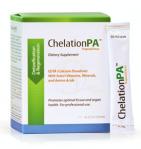
A formulation providing a well tolerated source of selenium and other nutrients.
Reduces environmental irritation and supports the immune system for seasonal allergy relief.
Provides relief from symptoms associated with allergic reactions, seasonal allergies and hayfever.
Provides relief from symptoms associated with allergic reactions, seasonal allergies, and hayfever.
Helps regulate the flow of histamine, providing relief in cases of minor allergies and hay fever.
Alleviates allergy related symptoms, including sneezing, runny nose, sinus pain, and itchy eyes.
| Qty | 1 - 2 | 3 - 5 | 6 - 8 | 9+ |
| Price | $40.99 | $35.99 | $33.99 | $32.99 |
ON SALE!
$61.49
$40.99
Regulates the flow of histamine to relieve symptoms associated with minor allergies and hay fever.
Alleviates allergy related symptoms, including itchy eyes, sneezing, runny nose, and nasal congestion.
Shrinks swollen nasal membranes, helps decongest sinus openings, and encourages sinus drainage.
Reduces antigen sensitivity to relieve allergies caused by animals.
Reduces antigen sensitivity to relieve allergies caused by pet hair and dander.
Reduces antigen sensitivity to relieve allergies caused by grass pollen.
Safe and effective way to relieve symptoms associated with mold, yeast, and dust allergies.
Temporarily relieves congestion, sneezing, watery eyes, and itching caused by pet hair and pet dander.
| Qty | 1 - 2 | 3 - 5 | 6 - 8 | 9+ |
| Price | $32.95 | $30.95 | $28.95 | $26.95 |
ON SALE!
$41.95
$32.95
Contains natural ingredients that encourage optimal immune system functioning, even in times of stress.
Reduces antigen sensitivity to relieve allergies caused by various trees.
Alleviates allergic reaction symptoms caused by tree pollen.
Find the answers to your questions, concerns, and curiosities. Familiarize yourself with the homeopathic health products we carry and become acquainted with the health professionals that drive the alternative health industry. Stay up to date with current drug recall announcements and learn how to avoid dangerous and defective products.
Browse through our library of health articles and discover natural alternatives to revitalizing health. Find out how the body functions in response to individual health issues and learn how to boost your body s defenses naturally and effectively. Take advantage of these most sought after health articles and realize your health goals.
Please note that the material within Healing*Edge Science is for educational purposes only and should not be replaced by a physician's consultation. The Food and Drug administration has not evaluated this information or any other information on integrative medicine. Copyright and trademark laws under U.S. and international law protect this site. All information, images, layout and design in part or whole, cannot be copied or used for business purposes, without first requesting permission from Healing*Edge Sciences.
Copyright ©2009 Healing*Edge Sciences