
Blood Pressure and Hypertension
Natural Approach to Hypertension
Hypertension, due to stroke, heart attack, and kidney failure, is one of the leading causes of disability and death. Expenses, related directly or indirectly, to the treatment and detection of hypertension in the United States are approximately $10 billion yearly. Heart disease and stroke remain the first and third leading causes of death, respectively, in the United States. Despite the importance of these observations, for many people blood pressure is poorly controlled.
An estimated 50 million American adults (25 percent of all adults) have high blood pressure, but only 68 percent are aware of their condition, and only 27 percent have it under control. [2] Each year, two million new cases of hypertension are diagnosed. [3] The risk of hypertension increases with age in both men and women. [4] Before age 55, more men than women have hypertension; the reverse is true for those over the age of 55. African Americans have significantly more risk of developing high blood pressure then Caucasians and Mexican Americans.
There are two types of high blood pressure: essential (primary) hypertension and secondary hypertension. Essential hypertension does not have a readily identifiable cause, and is the most common type of hypertension, accounting for 90 percent of all cases of high blood pressure. Genetics play a major role in essential hypertension. In the case of secondary hypertension, the cause can be identified and is usually treatable or reversible.
Optimal blood pressure (BP) is 120/80 mm Hg or less. [5] The systolic pressure measures the force that blood exerts on the artery walls as the heart contracts to pump blood, while the diastolic pressure measures the force when the heart relaxes to allow blood flow into the heart.
[6] Beta-blockers, diuretics, or both are usually the first line of treatment for most physicians.
Dietary Approaches to Hypertension
[7] A diet low in saturated fat and high in complex carbohydrates is recommended. Such a diet includes whole grains, fruits, vegetables, nuts, seeds, legumes, fish, soy products, onions, garlic, foods rich in potassium, calcium, and magnesium (carrots, spinach, celery, alfalfa, mushrooms, lima beans, potatoes, avocados, broccoli, and most fruits), and restricts salt.
Subjects (n=133) were enrolled in the Dietary Approaches to Stop Hypertension (DASH) trial in order to determine the effect of diet on blood pressure. Systolic blood pressures of participants ranged from 140-159 mm Hg, while diastolic BPs were 90-95 mm Hg. Subjects ate a controlled diet for three weeks before being randomized to receive either a diet rich in fruits and vegetables, that same diet but with elimination of red meat, sugar, and reduced in fats, or a control diet for another eight weeks. The low-fat, low-sugar diet rich in fruits and vegetables significantly reduced both systolic and diastolic BP. The combination diet produced greater BP-lowering effects; changes were evident within two weeks of starting the diet. By the end of the eight-week trial, 70 percent of participants eating the combination diet had a systolic BP less than 140 mm Hg and diastolic BP less than 90 mm Hg, compared with 45 percent on the diet rich in fruits and vegetables and 23 percent on the control diet. [8]
Lifestyle Changes
More than one-third of the adult population of the United States is obese, [9] presenting a significant risk factor for hypertension. Many studies have shown obese hypertensive patients can reduce their medication with weight loss. A sedentary individual has a 35-percent greater risk of developing hypertension than does an athlete. [6]
One study found insufficient sleep can contribute to increased blood pressure in hypertensives. The researchers theorized this may be due to increased sympathetic nervous activity during the night. [10]
Stress management and relaxation techniques, such as meditation can help in controlling high blood pressure. In one study researchers found nearly 70 percent of patients with mild to moderate hypertension, using techniques to reduce stress, were able to reduce their medication after six weeks; after one year, 55 percent required no medication. [11]
Specific Nutrient Supplementation
Minerals: Potassium and Magnesium
Potassium is one of the most important minerals for hypertension. It is well documented that a diet low in potassium and high in sodium is associated with hypertension. [12-17]
There have been several studies indicating magnesium (Mg) may help to lower blood pressure and even prevent hypertension. Its hypotensive effect is thought to be due to relaxation of the smooth muscles of the blood vessels. A recent study demonstrated magnesium supplementation prevented blood pressure elevation in hypertensive rats. Magnesium's mechanism of action was theorized to be associated with inhibition of platelet calcium uptake and decrease in intracellular free calcium concentrations. [18] In another study, researchers showed that taking magnesium in amounts as low as 365 mg per day with beta blockers can significantly reduce blood pressure compared to taking beta blockers alone. [19]
In a double-blind cross-over study of magnesium in hypertension, 17 subjects (diastolic BPs > 90 mm Hg) were supplemented with 15 mM Mg daily for three weeks, 30 mM Mg for another three weeks, and ending with 40 mM Mg for a final three weeks. Statistically significant decreases in average systolic and diastolic BPs were noted. [20]
Studies have clearly shown the potential benefit of coenzyme Q10 (CoQ10) in treatment of hypertension and congestive heart failure. [21-25] In one study, 109 patients with essential hypertension were supplemented with CoQ10 at an average oral dose of 225 mg/day in addition to their existing antihypertensive drug regimen. Eighty percent of patients in the study had been diagnosed with hypertension for an average of 9.2 years. Dosage was dependent on blood levels of CoQ10, the objective being to maintain blood levels of greater than 2.0 mcg/mL. Patients were gradually able to decrease antihypertensive drug therapy during the first one to six months. Fifty-one percent of patients were able to completely discontinue between one and three antihypertensive drugs an average of 4.4 months after starting CoQ10. [26]
In addition to normalizing blood pressure, another study found that CoQ10 may also be effective in reducing total cholesterol. In this study 26 hypertensives were supplemented with CoQ10 at a dose of 50 mg twice daily for 10 weeks. Plasma CoQ10, serum total and HDL cholesterol, and blood pressure were determined in all patients before and at the end of the 10-week period. At the end of the treatment, systolic blood pressure decreased from an average of 164 mm Hg to 146 mmHg, while diastolic blood pressure decreased from an average of 98 mm Hg to 86 mm Hg. Average serum total cholesterol decreased slightly, from 222 mg/dL to 213 mg/dL, while there was no significant change in HDL levels. [27] Long term studies on safety of CoQ10 have shown it to be a safe supplement. [22] It may take as long as 4-12 weeks to note significant results.
Increasing the intake of omega-3 fatty acids can lower blood pressure. [28] Recent research suggests that the omega-3 fatty acid, eicosapentanoic acid (EPA), directly modulates intracellular calcium ion (Ca2+) signaling in vascular smooth muscle cells, resulting in a vasodilation effect and lowering of blood pressure. [29-31]
Sixteen mild essential hypertensive male outpatients and 16 normotensive male controls were randomly assigned to receive either EPA and docosahexanoic acid (DHA) (2.04 g EPA and 1.4 g DHA) or olive oil (4 g/day) as a placebo for a period of four months. The effect of omega-3 fatty acids on blood pressure in the treatment group was maximized after two months with systolic BP decreasing an average of 6 mm Hg, (p<0.05) and diastolic blood pressure down an average of 5 mm Hg, (p<0.05). [32] Omega-3 oils are also effective in lowering triglycerides and LDLs, and increasing HDLs.
In a double-blind placebo-controlled study of 935 patients with hypertriglyceridemia and hypertension, researchers found omega-3 oil supplementation resulted in significant reductions in total cholesterol and blood pressure and significant increase in HDL (an overall mean rise of 7.4 percent). [33] In addition, omega-3 oils can prevent primary or secondary coronary heart disease. [34-37]
Amino Acids: L-Arginine and Taurine
L-arginine is a precursor to nitric oxide (endothelial-derived relaxing factor) which dilates blood vessels and lowers blood pressure. Several studies have shown that inhibiting the synthesis of nitric oxide in animal models results in hypertension. [38]
Dietary L-arginine supplementation has been proposed to reverse endothelial dysfunction in certain conditions, including hypercholesterolemia, coronary heart disease, and some forms of animal hypertension. Chronic oral administration of L-arginine prevented the blood pressure rise induced by sodium chloride loading in salt-sensitive rats. [39]
A single-blind, controlled, crossover dietary intervention was conducted on six healthy subjects in order to assess the effects of an L-arginine enriched diet on blood pressure. The subjects randomly received three different diets, each for a period of one week: (1) a control; (2) a natural foods diet enriched with L-arginine; or (3) a diet identical to the control diet with the addition of L-arginine supplementation. A decrease in BP was observed with both L-arginine-enriched diets. In addition, creatinine clearance was improved and fasting blood sugar decreased by the addition of L-arginine. [39]
Taurine, a sulfur-containing amino acid, has been reported to have antihypertensive and sympatholytic activity. [40] Nineteen patients with borderline hypertension were supplemented with 6 g taurine daily for seven days in a double-blind, placebo-controlled study. Systolic BP in the 10 taurine-treated patients decreased an average of 9 mm Hg compared with a 2 mm Hg decrease in the nine patients treated with placebo; diastolic BP in the taurine-treated patients decreased an average of 4 mm Hg compared with 1 mm Hg in the placebo-treated subjects. Taurine supplementation resulted in a significant decrease in plasma epinephrine but not norepinephrine levels. Individuals with hypertension tend to have higher epinephrine compared to people with normal blood pressure. [41] Research shows taurine relaxes blood vessels by enhancing endorphin production, resulting in lowered blood pressure. [42,43]
Vitamins C and E may both play a beneficial role in the prevention and treatment of hypertension. Vitamin C has the potential to impact defective endothelium-dependent vasodilation. Although the mechanism has not been fully elucidated, it is believed that ascorbic acid functions as an antioxidant to either enhance the synthesis or prevent the breakdown of nitric oxide. [44] A 1999 Lancet randomized, double-blind, placebo-controlled study showed that treatment of hypertensive patients with vitamin C lowered blood pressure. Thirty-nine patients received either ascorbic acid (n=19) or placebo (n=20) in a one-time dose of 2 g, followed by 500 mg daily for 30 days. Mean systolic blood pressure decreased from 155 mm Hg to 142 mm Hg (p<0.001) after 30 days in the ascorbate group, while placebo had no effect. Mean diastolic BP decreased in the ascorbate group after one month but was not significantly different than placebo. There was no significant effect in blood pressure after the initial 2 g dose. [45]
Vitamin E has also been found to increase nitric oxide synthase activity, resulting in lowered blood pressure in hypertensive patients. An animal study found that for all alpha-tocopherol-treated groups, blood pressure was significantly reduced compared to a hypertensive control group; maximum reduction of blood pressure was achieved at a dosage of 34 mg alpha-tocopherol/kg diet. [46]
Specific Botanicals for Hypertension
Hawthorne (Crataegus Oxycantha and Monogyna)
Hawthorne has been used traditionally for cardiovascular disorders in many cultures. It contains a number of active constituents, including flavonoids, catechins, triterpene saponins, amines, and oligomeric proanthocyanidins (OPCs). Hawthorne has been shown to exert a mild blood pressure lowering effect [47,48] that can take up to four weeks for maximal results. It is believed that the herb dilates coronary blood vessels. [48] One in vitro study on rat aorta found proanthocyanidins extracted from hawthorne relaxed vascular tone via endothelium-dependent nitric oxide-mediated relaxation. [49]
Arjuna Bark (Terminalia arjuna)
Terminalia arjuna is a deciduous tree found throughout India. Its bark has been used in Ayurvedic medicine for over three centuries. Terminalia's active constituents include tannins, triterpenoid saponins, flavonoids, gallic acid, ellagic acid, OPCs, phytosterols, calcium, magnesium, zinc, and copper. [50] Several studies have elucidated Terminalia's effects on various cardiac disorders including congestive heart failure, coronary artery disease, and hypertension. A study on its effects on stable and unstable angina patients found it effective for those with stable angina, with a 50-percent reduction in angina episodes and significant decrease in systolic blood pressure. [51]
In a double-blind crossover study, 12 subjects with refractory chronic congestive heart failure (idiopathic dilated cardiomyopathy (n=10); previous myocardial infarction (n=1), or peripartum cardiomyopathy (n=1)), received Terminalia arjuna, at a dose of 500 mg every eight hours, or placebo for two weeks, each treatment protocol separated by a two-week washout period, as an adjuvant to conventional therapy. Clinical, laboratory, and echocardiographic evaluations were carried out at baseline and at the end of therapy. Terminalia, compared to placebo, was associated with improvement in symptoms and signs of heart failure, decrease in echo-left ventricular end diastolic and end systolic volume indices, increase in left ventricular stroke volume index, and increase in left ventricular ejection fractions. [52] A study with similar dosing on primarily post-myocardial infarction angina patients found improvements in cardiac function. Prolonged use resulted in no adverse side effects or signs of renal, hepatic, or hematological abnormalities. [53]
Olive Leaf (Olea africana and Olea europea)
Olive leaf extract is derived from the leaves of the olive tree. The entire leaf extract contains several phytochemicals, including 20-percent oleuropein, a complex structure of flavonoids, esters, and multiple iridoid glycosides, which acts as a vasodilator, lowering blood pressure and preventing angina attacks. Oleuropein is also being recognized as a potent antioxidant. [54,55] The hypotensive action of olive leaf has been studied for two decades. A clinical study of Olea europaea L. aqueous extract was conducted on two groups of hypertensive patients, 12 patients consulting for the first time, and 18 patients on conventional antihypertensive treatment. An aqueous extract was given for three months, after 15 days of placebo supplementation. Researchers noted a statistically significant decrease of blood pressure (p<0.001) for all patients, without side effects. [56]
One of olive leaf's mechanisms of action is vasodilation. In an in vitro study a decoction of olive leaf caused relaxation of isolated rat aorta endothelium. The relaxant activity was independent of the integrity of the vascular endothelium. Oleuropeoside was found to be a component responsible for vasodilator activity; however, the researchers felt at least one other principle was either a vasodilator itself or potentiated the relaxant effect of oleuropeoside. [57]
European Mistletoe (Viscum album)
The use of mistletoe in medicine has become popular, not only because of its hypotensive activity, but also because of its anticancer properties. Mistletoe is known to possess hypotensive, cardiotonic, vasodilatory, antispasmodic, tumor-inhibiting, and thymus-stimulating activity. [58] Its pharmacological effects, including diuretic and hypotensive activity, were studied using an alcohol extract of Japanese and European mistletoe. Both extracts showed blood pressure lowering effects when administered intravenously and orally to cats. [59] Other researchers have reported similar hypotensive effects of mistletoe in experimental animal studies. [60]
Yarrow (Achillea wilhelmsii)
Achillea wilhelmsii C. Koch (Asteraceae) has flavonoids and sesquiterpene lactone constituents, which have been found effective in lowering blood pressure and lipids. A double-blind, placebo-controlled trial examined the antihyperlipidemic and antihypertensive effects of Achillea. The researchers randomly selected 120 men and women, aged 40-60 years, and divided them into two groups: (1) moderate hyperlipidemic and (2) hypertensive subjects. Each study group was treated either with an alcohol extract of Achillea or placebo at a dose of 15-20 drops twice daily for six months. Blood pressure and serum lipids (total cholesterol, triglycerides, LDL-cholesterol and HDL-cholesterol) were measured at the end of two, four, and six months. A significant decrease was noted in triglycerides after two months, and significant decreases in triglycerides and total- and LDL-cholesterol after four months. Levels of HDL-cholesterol were significantly increased after six months' treatment. A significant decrease was observed in diastolic and systolic blood pressure after two and six months, respectively (p<0.05). [61]
Black Cumin Seeds (Nigella sativa)
Nigella sativa (Ranunculaceae) has a long history of use in folk medicine as a diuretic and hypotensive agent. In an animal study, an oral dose of either Nigella sativa extract (0.6 mL/kg/day) or furosemide (5 mg/kg/day) significantly increased diuresis by 16- and 30 percent, respectively, after 15 days of treatment. In the same rat study, a comparison between Nigella sativa and nifedipine found mean arterial pressure decreased by 22- and 18 percent in the Nigella sativa and nifedipine treated rats, respectively. [62]
The essential oil of Nigella sativa seed has an antioxidant property that makes it useful in treating cardiovascular disorders. Active constituents of Nigella sativa are thymoquinone, dithymoquinone, thymohydroquinone, thymol, [63] carvacrol, t-anethole and 4-terpineol. Hypotensive action of Nigella is mainly due to its volatile oils. An animal study found the volatile oil has the potential of being a potent, centrally acting antihypertensive agent. [64] Thin-layer chromatography (TLC) has confirmed Nigella's antioxidant properties. [65]
Forskolin (Coleus forskohlii)
Coleus forskohlii has been used in Ayurvedic medicine for many years. In 1974 the Indian Central Drug Research Institute discovered that forskolin, a component of this plant, has hypotensive and antispasmodic action. Forskolin's blood pressure lowering effects appear to be due to relaxation of arterial vascular smooth muscle. In a study with isolated heart tissue, forskolin activated membrane-bound adenylatecyclase and cytoplasmic cAMP-dependent protein kinase. The researchers postulated the positive inotropic effect was via an enhanced calcium uptake by the heart muscle cell. [66] Another constituent from Coleus, ditermene coleonol, has been found to lower blood pressure in both rat and cat models. [67]
Rauwolfia serpentina (Indian Snakeroot)
Rauwolfia is cultivated for the medicinal use of its 30 alkaloids (particularly reserpine found in the root), many used in treating hypertension. [68] Besides reserpine, other alkaloids used in hypertension and other cardiac disorders are ajmaline, rescinnamine, serpentinine, sarpagine, deserpidine, and chandrine. Rauwolfia alkaloids work by controlling nerve impulses along certain pathways that affect heart and blood vessels, lowering blood pressure. Rauwolfia depletes catecholamines and serotonin from nerves in the central nervous system. [69] In a controlled intervention trial, 389 subjects, ages 21-55 years, with diastolic blood pressures 90-115 mm Hg were examined for 7-10 years. Subjects were randomly assigned to either a combination of a diuretic and Rauwolfia serpentina, or an identical placebo. Diastolic blood pressure was reduced an average of 10 mm Hg and systolic by16 mm Hg in the active treatment group, with no change in the placebo group. [70]
The Rauwolfia constituent ajmaline not only lowers blood pressure, but also has a potent antiarrhythmic effect. Studies have shown that ajmaline specifically depresses intraventricular conduction, suggesting this would be particularly effective in the treatment of re-entrant ventricular arrhythmias. [71,72]
In one study of 100 patients with essential hypertension, it was determined that serum cadmium levels were 43-percent higher and serum zinc levels 28-percent lower in hypertensives when compared with normotensive controls. When the patients were put on ajmaloon, a preparation from Rauwolfia serpentina, blood pressure was lowered significantly. It also appeared to decrease the elevated serum cadmium levels in these individuals. [73]
Garlic (Allium sativum)
Garlic is eaten in Asia, the Middle East, and in many other cultures on a daily basis. It is an ancient home remedy that has been used for many different purposes, including hypertension, and reduces a number of risk factors associated with cardiovascular disease including:
- Reducing total and LDL-cholesterol
- Increasing HDL-cholesterol
- Lowering triglycerides and fibrinogen
- Lowering blood pressure
- Improved circulation
- Enhancing fibrinolysis
- Inhibition of platelet aggregation
- Reducing plasma viscosity.
The blood pressure effect is thought to be due to an opening of (Ca) ion channels in the membrane of vascular smooth muscle, affecting hyperpolarization, resulting in vasodilation. [74] A garlic preparation containing 1.3-percent allicin at a large dose (2400 mg) was evaluated in an open-label study in nine severely hypertensive patients (diastolic blood pressure 115 mm Hg or greater). Approximately five hours after taking the garlic, the systolic blood pressure fell an average of 7 mm Hg while diastolic BP dropped an average of16 mm Hg. A significant decrease in diastolic blood pressure lasted from 5-14 hours after the dose and no significant side effects were reported. [75].
Conclusion
Lifestyle change, including diet, exercise, and stress management, may contribute significantly to lowering of blood pressure. Supplements such as potassium, magnesium, CoQ10, omega-3 fatty acids, amino acids L-arginine and taurine, and vitamins C and E have been effectively used in the treatment of cardiovascular disease, including hypertension. Botanicals have been used for centuries to treat various diseases including cardiovascular disorders. It is no surprise they have proven effective in lowering blood pressure and improving heart function. Among the most researched and frequently utilized for hypertension are hawthorne, Terminalia arjuna, olive leaf, European mistletoe, yarrow, black cumin seeds, forskolin, Indian snakeroot, and garlic. More research is indicated to determine the full potential that alternative medicine has to offer in the management of hypertension. With the increasing numbers of patients suffering from hypertension and conventional medicine failing to effectively control the problem, alternative therapies offer hope.
For many people with hypertension they would rather use formulas designed specifically for Hypertension. The following is a program deigned by practitioners for their patients. The results may surprise you.
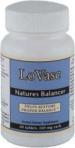
- LoVasc: An Ayurvedic medicine formula that be as effective as medication and also work were medication has failed. This formula has been available for over 25 years with no known side effects.
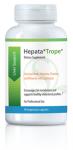
Dosage: 2 tablets twice daily for 3 to 5 days. After pressure has dropped to a safe range the dosage can be reduced to 1 or 2 tablets twice a day between meals. - Hepata*Trope: An American made Lipotropic formula that clear out lipids and other toxins from the liver. Which assists the body in clearing lipids from the blood vessels.
Dosage: 2 capsules twice a day before meals. This dosage should be kept up for 3 months then reduced to 1 capsule twice a day before meals. - Hypertension No. 504: This is a homeopathic formula that is designed to retrain the body on how to regulates it own blood pressure like it had done in the past.
Dosage: 10 to 15 drops under the tongue 2 to 3 times a day. Hold for 1 minute then swallow. This product should be used for 3 months then reduce the dosage to 10 drops one time daily at noon. - Hypertenol: Is a plant formula that works on the systems in the body that regulate hypertension.
Dosage: 1 to 3 tablets twice a day for 2 months. Then 1 tablet twice a day.
There are more aggressive ways in controlling hypertension, but this program should be enough for your results.
After using this protocol for 3 months you may no longer need to take anything. If this is not your case you most likely will be able to take less products and reduce the dosages even further.
These products can be found at the bottom of this page.
References:
- Wali RK, Weir MR. Hypertensive cardiovascular disease in African Americans. Curr Hypertens Rep 1999; 1: 521-528
- Black HR. Does the evidence from clinical trials justify the treatment of hypertension? Clin Cornerstone 1999; 2: 13-26
- Mayo Foundation for Medical Education and Research. June 1, 1999
- Whelton PK, Klag MJ. Epidemiology of high blood pressure. Clin Geriatr Med 1989; 5: 639-655
- Weisser B, Mengden T, Dusing R, et al. Normal values of blood pressure self-measurement in view of the 1999 World Health Organization-International Society of Hypertension guidelines. Am J Hypertens 2000; 13: 940-943
- Web MD on line. High blood pressure. Web MD Health. March 1999
- Antonini Revaz S, Morabia A, Goehring C, Stalder H. Evaluation of drug prescription in the primary care clinic in Geneva in 1997. Schweiz Med Wochenschr 1999; 129: 1935-1937 [Article in French]
- Conlin PR, Chow D, Miller ER 3rd, et al. The effect of dietary patterns on blood pressure control in hypertensive patients: results from the Dietary Approaches to Stop Hypertension (DASH) trial. Am J Hypertens 2000; 13: 949-955
- Rippe JM, Crossley S, Ringer R. Obesity as a chronic disease: modern medical and lifestyle management. J Am Diet Assoc 1998; 98: S9-S15
- Lusardi P, Zoppi A, Preti P, et al. Effects of insufficient sleep on blood pressure in hypertensive patients: a 24-h study. Am J Hypertens 1999; 12: 63-68
- Shapiro D, Hui KK, Oakley ME, et al. Reduction in drug requirements for hypertension by means of a cognitive-behavioral intervention. Am J Hypertens 1997; 10: 9-17
- Krishna GG. Effect of potassium intake on blood pressure. J Am Soc Nephrol 1990; 1: 43-52
- Krishna GG, Miller E, Kapoor S. Increased blood pressure during potassium depletion in normotensive men. N Engl J Med 1989; 320: 1177-1182
- Tannen RL. Effects of potassium on blood pressure control. Ann Intern Med 1983; 98: 773-780
- Langford HG. Potassium in hypertension. Postgrad Med 1983; 73: 227-233
- Tobian L. Dietary sodium chloride and potassium have effects on the pathophysiology of hypertension in humans and animals. Am J Clin Nutr 1997; 65: 606S-611S
- Whelton PK, He J. Potassium in preventing and treating high blood pressure. Semin Nephrol 1999; 19: 494-499
- Kh R, Khullar M, Kashyap M, et al. Effect of oral magnesium supplementation on blood pressure, platelet aggregation and calcium handling in deoxycorticosterone acetate induced hypertension in rats. J Hypertens 2000; 18: 919-926
- Wirell MP, Wester PO, Stegmayr BG. Nutritional dose of magnesium in hypertensive patients on beta blockers lowers systolic blood pressure: a double-blind, cross-over study. J Intern Med 1994; 236: 189-195
- Widman L, Wester PO, Stegmayr BK, Wirell M. The dose-dependent reduction in blood pressure through administration of magnesium. A double blind placebo controlled cross-over study. Am J Hypertens 1993; 6: 41-45
- Langsjoen PH, Langsjoen AM. Overview of the use of CoQ10 in cardiovascular disease. Biofactors 1999; 9: 273-284
- Langsjoen H, Langsjoen P, Langsjoen P, et al. Usefulness of coenzyme Q10 in clinical cardiology: a long-term study. Mol Aspects Med 1994; 15: S165-S175
- Langsjoen PH, Langsjoen PH, Folkers K. Isolated diastolic dysfunction of the myocardium and its response to CoQ10 treatment. Clin Investig 1993; 71: S140-S144
- Folkers K, Drzewoski J, Richardson PC, et al. Bioenergetics in clinical medicine. XVI. Reduction of hypertension in patients by therapy with coenzyme Q10. Res Commun Chem Pathol Pharmacol 1981; 31: 129-140
- Yamagami T, Shibata N, Folkers K. Bioenergetics in clinical medicine. VIII. Adminstration of coenzyme Q10 to patients with essential hypertension. Res Commun Chem Pathol Pharmacol 1976; 14: 721-727
- Langsjoen P, Langsjoen P, Willis R, Folkers K. Treatment of essential hypertension with coenzyme Q10. Mol Aspects Med 1994; 15: S265-S272
- Digiesi V, Cantini F, Oradei A, et al. Coenzyme Q10 in essential hypertension. Mol Aspects Med 1994; 15: S257-S263
- Diep QN, Touyz RM, Schiffrin EL. Docosahexaenoic acid, a peroxisome proliferator-activated receptor-alpha ligand, induces apoptosis in vascular smooth muscle cells by stimulation of p38 mitogen-activated protein kinase. Hypertension 2000; 36: 851-855
- Engler MB, Ma YH, Engler MM. Calcium-mediated mechanisms of eicosapentaenoic acid-induced relaxation in hypertensive rat aorta. Am J Hypertens 1999; 12: 1225-1235
- Hirafuji M, Ebihara T, Kawahara F, et al. Effect of docosahexaenoic acid on intracellular calcium dynamics in vascular smooth muscle cells from normotensive and genetically hypertensive rats. Res Commun Mol Pathol Pharmacol 1998; 102: 29-42
- Hirafuji M, Ebihara T, Kawahara F, Minami M. Effect of docosahexaenoic acid on smooth muscle cell functions. Life Sci 1998; 62: 1689-1693
- Prisco D, Paniccia R, Bandinelli B, et al. Effect of medium-term supplementation with a moderate dose of n-3 polyunsaturated fatty acids on blood pressure in mild hypertensive patients. Thromb Res 1998; 91: 105-112
- Sirtori CR, Crepaldi G, Manzato E, et al. One-year treatment with ethyl esters of n-3 fatty acids in patients with hypertriglyceridemia and glucose intolerance: reduced triglyceridemia, total cholesterol and increased HDL-C without glycemic alterations. Atherosclerosis 1998; 137: 419-427
- Ponte E, Cafagna D, Balbi M. Cardiovascular disease and omega-3 fatty acids. Minerva Med 1997; 88: 343-353
- Oomen CM, Feskens EJ, Rasanen L, et al. Fish consumption and coronary heart disease mortality in Finland, Italy, and The Netherlands. Am J Epidemiol 2000; 151: 999-1006
- Schmidt EB, Skou HA, Christensen JH, Dyerberg J. N-3 fatty acids from fish and coronary artery disease: implications for public health. Public Health Nutr 2000; 3: 91-98
- von Schacky C. N-3 fatty acids and the prevention of coronary atherosclerosis.Am J Clin Nutr 2000; 71: 224S-227S
- Pereira LM, Mandarim-De-Lacerda CA. Quantitative study of myocardial microcirculation in arterial hypertension due to progressive inhibition of NO synthesis. Arq Bras Cardiol 1999; 73: 407-418
- Siani A, Pagano E, Iacone R, et al. Blood pressure and metabolic changes during dietary L-arginine supplementation in humans. Am J Hypertens 2000; 13: 547-551
- Anuradha CV, Balakrishnan SD. Taurine attenuates hypertension and improves insulin sensitivity in the fructose-fed rat, an animal model of insulin resistance. Can J Physiol Pharmacol 1999; 77: 749-754
- Fujita T, Ando K, Noda H, et al. Effects of increased adrenomedullary activity and taurine in young patients with borderline hypertension. Circulation 1987; 75: 525-532
- Sato Y, Fujita T. Influence of endogenous opiates on the hypotensive action of taurine in DOCA-salt rats. J Hypertens Suppl 1988; 6: S375-S377
- Fujita T, Sato Y. Hypotensive effect of taurine. Possible involvement of the sympathetic nervous system and endogenous opiates. J Clin Invest 1988; 82: 993-997
- May JM. How does ascorbic acid prevent endothelial dysfunction? Free Radic Biol Med 2000; 28: 1421-1429
- Duffy SJ, Gokce N, Holbrook M, et al. Treatment of hypertension with ascorbic acid. Lancet 1999; 354: 2048-2049
- Newaz MA, Nawal NN, Rohaizan CH, et al. alpha-Tocopherol increased nitric oxide synthase activity in blood vessels of spontaneously hypertensive rats. Am J Hypertens 1999; 12: 839-844
- Leuchtgens H. Crataegus Special Extract WS 1442 in NYHA II heart failure. A placebo controlled randomized double-blind study.Fortschr Med 1993; 111: 352-354 [Article in German]
- Schussler M, Holzl J, Fricke U. Myocardial effects of flavonoids from Crataegus species. Arzneimittelforschung 1995; 45: 842-845
- Kim SH, Kang KW, Kim KW, Kim ND. Procyanidins in crataegus extract evoke endothelium-dependent vasorelaxation in rat aorta. Life Sci 2000; 67: 121-131
- Terminalia arjuna. Altern Med Rev 1999; 4: 436-437
- Dwivedi S, Agarwal MP. Antianginal and cardioprotective effects of Terminalia arjuna, an indigenous drug, in coronary artery disease. J Assoc Physicians India 1994; 42: 287-289
- Bharani A, Ganguly A, Bhargava KD. Salutary effect of Terminalia arjuna in patients with severe refractory heart failure. Int J Cardiol 1995; 49: 191-199
- Dwivedi S, Jauhari R. Beneficial effects of Terminalia arjuna in coronary artery disease. Indian Heart J 1997; 49: 507-510
- Visioli F, Bellosta S, Galli C. Oleuropein, the bitter principle of olives, enhances nitric oxide production by mouse macrophages. Life Sci 1998; 62: 541-546
- Edgecombe SC, Stretch GL, Hayball PJ. Oleuropein, an antioxidant polyphenol from olive oil, is poorly absorbed from isolated perfused rat intestine. J Nutr 2000; 130: 2996-3002
- Cherif S, Rahal N, Haouala M, et al. A clinical trial of a titrated olea extract in the treatment of essential arterial hypertension. J Pharm Belg 1996; 51: 69-71 [Article in French]
- Zarzuelo A, Duarte J, Jimenez J, et al. Vasodilator effect of olive leaf. Planta Med 1991; 57: 417-419
- Duke JA. Handbook of Medicinal Herbs. CRC Press Inc, Boca Raton, FL,1985: 512-513
- Fukunaga T, Ide T, Yamashiro M, et al. Studies on pharmacological activity of the Japanese and European mistletoe. Yakugaku Zasshi 1989; 109: 600-605 [Article in Japanese]
- Petkov V. Plants and hypotensive, antiatheromatous and coronarodilatating action. Am J Chin Med 1979; 7: 197-236
- Asgary S, Naderi GH, Sarrafzadegan N, et al. Antihypertensive and antihyperlipidemic effects of Achillea wilhelmsii. Drugs Exp Clin Res 2000; 26: 89-93
- Zaoui A, Cherrah Y, Lacaille-Dubois MA, et al. Diuretic and hypotensive effects of Nigella sativa in the spontaneously hypertensive rat. Therapie 2000; 55: 379-382 [Article in French]
- Ghosheh OA, Houdi AA, Crooks PA. High performance liquid chromatographic analysis of the pharmacologically active quinones and related compounds in the oil of the black seed (Nigella sativa L.). J Pharm Biomed Anal 1999; 19: 757-762
- el Tahir KE, Ashour MM, al-Harbi MM. The cardiovascular actions of the volatile oil of the black seed (Nigella sativa) in rats: elucidation of the mechanism of action.Gen Pharmacol 1993; 24: 1123-1131
- Burits M, Bucar F. Antioxidant activity of Nigella sativa essential oil. Phytother Res 2000; 14: 323-328
- Metzger H, Lindner E. The positive inotropic-acting forskolin, a potent adenylate cyclase activator. Arzneimittelforschung 1981; 31: 1248-1250
- Dubey MP, Srimal RC, Nityanand S, Dhawan BN. Pharmacological studies on coleonol, a hypotensive diterpene from Coleus forskohlii. J Ethnopharmacol 1981; 3: 1-13
- Duke JA. Handbook of Medicinal Herbs. Boca Raton, FL: CRC Press Inc.; 1985: 401
- Furukawa T, Sano T, Kohno Y, et al. Selective depleting effect of syrosingopine on brain catecholamine levels with relation to morphine analgesia in the rat. Pharmacol Biochem Behav 1976; 4: 419-425
- Smith WM. Treatment of mild hypertension: results of a ten-year intervention trial. Circ Res 1977; 40: 198-205
- Obayashi K, Nagasawa K, Mandel WJ, et al. Cardiovascular effects of ajmaline. Am Heart J 1976; 92: 487-496
- Kostin IV, Tsybusov AP, Minina SA, et al. Antiarrhythmic activity of ajmaline obtained from Rauwolfia serpentina biomass grown in tissue culture. Kardiologiia 1990; 30: 72-74 [Article in Russian]
- Arora RB, Roy S, Khan SU. Role of elements in pathophysiology of hypertension and antihypertensive drug development. Acta Pharmacol Toxicol (Copenh) 1986; 59: 344-347
- Siegel G, Walter A, Engel S, et al. Pleiotropic effects of garlic. Wien Med Wochenschr 1999; 149: 217-224 [Article in German]
- McMahon FG, Vargas R. Can garlic lower blood pressure? A pilot study. Pharmacotherapy 1993; 13: 406-407